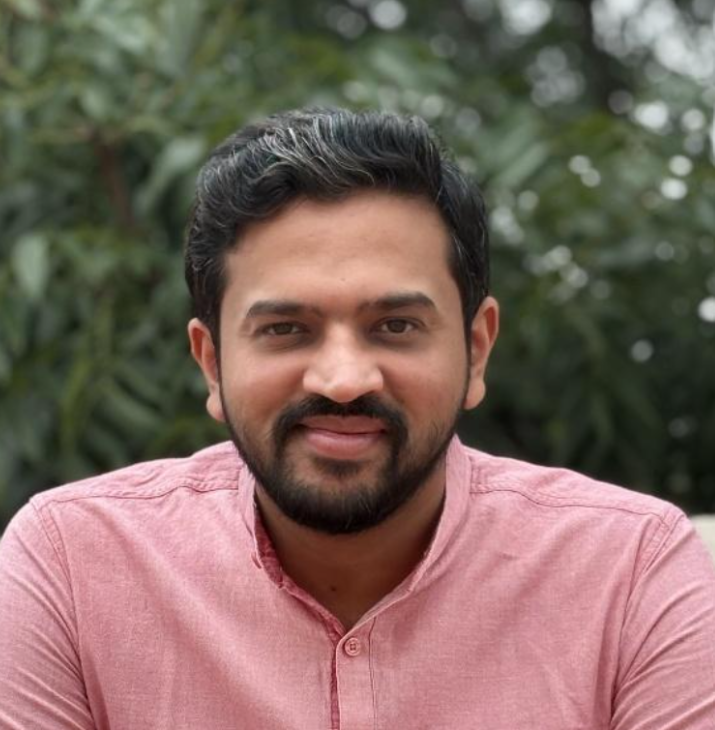
Rajesh's Story
Working in the fossil fuel industry
I joined the Canadian oil and gas industry in 2013 after completing my MSc in Chemical Engineering at the University of Alberta. As Alberta is the centre of Canada’s oil and gas sector, this felt like a natural next step and offered financial stability and clear career progression.
I worked in the midstream sector, managing hydraulic and leak detection software systems for oil pipelines. My role involved close collaboration with pipeline control room operators to ensure safe, leak-free operations that met environmental and regulatory standards. This experience gave me a strong understanding of large-scale energy infrastructure and the operational realities of the fossil fuel industry.
From a workplace perspective, my experience was largely positive. I worked with supportive colleagues and valued the industry’s strong emphasis on worker safety. During my four years in oil and gas, I built technical expertise that would later shape how I understand the energy transition, even though I did not yet question my role within the wider climate context.
When I realised it was time to leave
A turning point came when I visited a self-sustaining farm and commune in Karkala, Karnataka, India, managed by Dr Shreekumar, a former university professor from my undergraduate studies. The farm’s circular economy practices and Gandhian values demonstrated a radically different relationship between livelihoods, community and ecology.
This experience made the climate crisis feel immediate and personal. I began to feel a strong ethical conflict about my work in fossil fuels and a responsibility to act, given my privilege and first-hand industry experience. I also grew frustrated with the oil and gas industry’s resistance to change and its “if it’s not broken, don’t fix it” mindset, which felt incompatible with the urgency of climate action.
Leaving the industry was difficult. I had no clear plan and went through a challenging period of uncertainty, volunteering and self-reflection. Lack of family support, declining mental health and the high cost of living in Canada ultimately led me to move back to India. I took on emissions consulting and carbon market roles, but over time I felt this work was superficial and constrained by the limits of capitalist climate solutions.
What are you doing today?
Today, I am based in Bengaluru and working on Climate Rubik, an online climate knowledge platform that approaches climate change through an energy systems lens. The platform focuses on concepts such as energy return on investment, spatial power density, Hubbert’s curve and fair energy use, alongside climate justice and the need to decolonise global climate narratives.
What began as a personal research outlet has grown into a collaborative platform with guest writers contributing diverse expertise. I find this work intellectually fulfilling and purposeful. Skills from my oil and gas career, particularly structured technical writing, have been highly transferable, although translating complex energy concepts for a general audience has required continual learning and first-principles thinking.
I have been bootstrapping Climate Rubik for over two years without pay. While this has come at a financial cost, the intellectual growth, community support and growing recognition, including invitations to speak on podcasts and serve as a jury member for low-carbon design competitions, have kept me motivated. In hindsight, I believe understanding energy systems is far more critical to climate action than emissions modelling alone.
Parting reflections
I am now at peace with my decision to leave oil and gas. It was the right choice for me, even though it involved significant emotional and financial sacrifice. I underestimated the mental resilience required to work on climate issues within a capitalistic and often unsupportive environment, particularly while facing judgement from family and peers.
For those considering a similar transition, my advice is to be prepared for financial uncertainty and to practise smart persistence. Climate work is still a developing field, but we urgently need more people, especially those with experience inside the fossil fuel industry, to make this shift. Despite the challenges, I would make the same decision again.