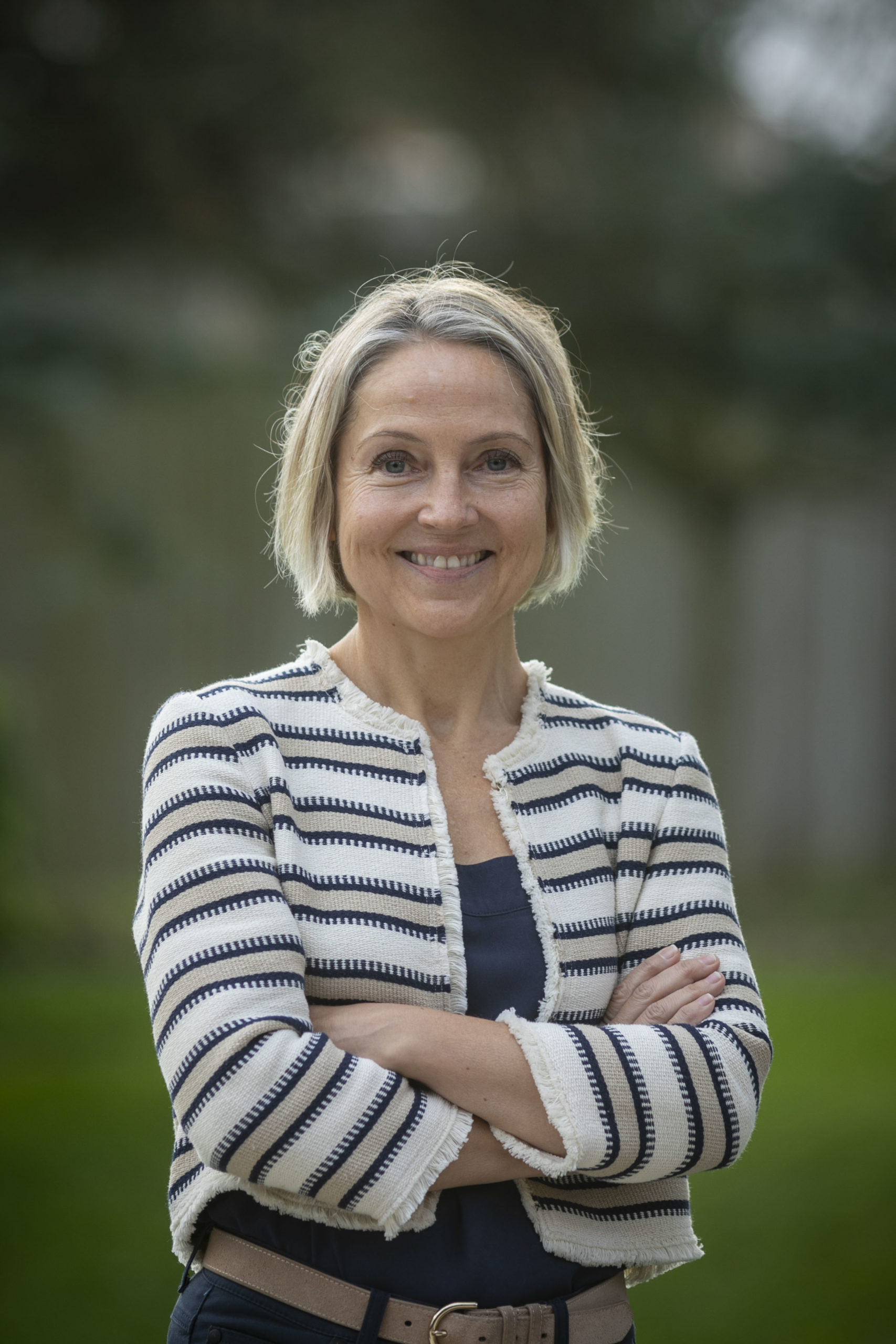
Trine's Story
Working in the Fossil Fuel Industry
I joined BP in September 2000 after completing a BA in Chinese and Business Management. I was keen to learn how business worked inside a large organisation, to work with strong leaders, and to travel. China, in particular, was a major draw.
As a Norwegian from the south-west coast of Norway, the energy sector was familiar territory. Joining BP felt like a natural step rather than a conscious decision to enter the fossil fuel industry. The graduate programme gave me broad exposure to the business, and after completing a wide range of training rotations, I began to focus on commercial and strategy roles within BP’s downstream businesses.
My background in Chinese language opened the door to working closely with Chinese energy companies, helping to grow BP’s joint venture footprint in China. I learned a huge amount about negotiation, diplomacy, and the importance of cultural sensitivity. Working across languages and business norms was challenging, energising, and deeply rewarding. I loved that period of my career.
Petrochemicals is often viewed as a cyclical sector, and during a downturn I was given the chance to lead transformation efforts. It was through petrochemicals that I came closest to the issue of plastics, and to the growing necessity of reducing plastic waste and moving towards more circular models. This marked the beginning of my career in sustainability. For the first time, I felt a much deeper connection to the purpose of my work.
After leading a team to develop the BP downstream plastic waste strategy, I moved into a role with the fuel technology team, assessing a commercial opportunity to convert municipal solid waste into fuel and helping to develop company policy in this area. That work led to my next role, heading the project team responsible for developing BP’s new corporate sustainability framework. Momentum around sustainability was building rapidly at that time, and it was genuinely exciting to be involved in shaping what felt like a meaningful agenda for a company of BP’s scale.
Once the framework was in place, BP’s divisions began investing more seriously in sustainability capability and resourcing to support the company’s targets. I became Vice President of Sustainability and Carbon Management across BP’s downstream sector, a role I held until I left at the end of 2025.
After 25 years at BP, I left with immense gratitude. I had worked with an extraordinary range of people and leaders and developed a wide mix of technical and soft skills. It was a rich and rewarding chapter of my life.
When I Realised It Was Time to Leave
As I progressed through BP, and as I got older, the company’s purpose played an increasingly important role in my job satisfaction. In 2022, when I started my role as VP Sustainability and Carbon Management, I felt more aligned with BP’s purpose than ever before. For a period, it felt like the company and I were pulling in the same direction.
From 2024 onwards, that sense of alignment began to erode as BP appeared less bullish about low-carbon investments. I was finding it increasingly disappointing to see ambitious plans being revised. In 2025, BP began cutting costs and reducing sustainability headcount. As teams were rewired, my role was eliminated, and I took that moment as an opportunity to leave.
Leaving after 25 years with the same company was daunting. I had built a strong network, learned a shared language, and become comfortable with familiar ways of working. I questioned how transferable my experience would be on the outside yet despite those doubts, I chose to leave without having another role lined up.
I trusted that the experience I had built over a long career would allow me to add value elsewhere, particularly in organisations more closely aligned with my values and sense of purpose. I also recognised that I needed a break.
What I'm doing today
It is early 2026, and I am allowing myself some time to pause.
That said, I am staying engaged. I am reconnecting with people who share my interest in sustainability, refreshing my LinkedIn profile, and spending time exploring the area that currently fascinates me most: circularity.
I am deeply curious about how society can make better use of the limited resources we have. Carbon emissions from energy generation and fuel use rightly receive a great deal of attention, but I am particularly interested in the carbon story associated with keeping resources in use for longer. I see significant opportunities for companies to create commercial value through resource optimisation and smarter design choices.
Circularity feels like a long game, but it is encouraging to see more organisations building end-of-life considerations into the earliest stages of product design. That shift gives me energy and optimism.
Parting Reflections
It is still early days for me being on the outside, but I do not regret my past. I made the choices that felt right at the time, for both my family and myself.
A question I am often asked is whether it is possible to have more impact on the inside or the outside of a large organisation. For me, the answer is that I was able to influence and deliver meaningful progress from within, and I am proud of what we achieved.
In time, I believe the energy industry will become bullish again about accelerating sustainability. The pendulum will swing back. When it does, the experience of people who have worked at the intersection of sustainability and commercial reality will be more important than ever.