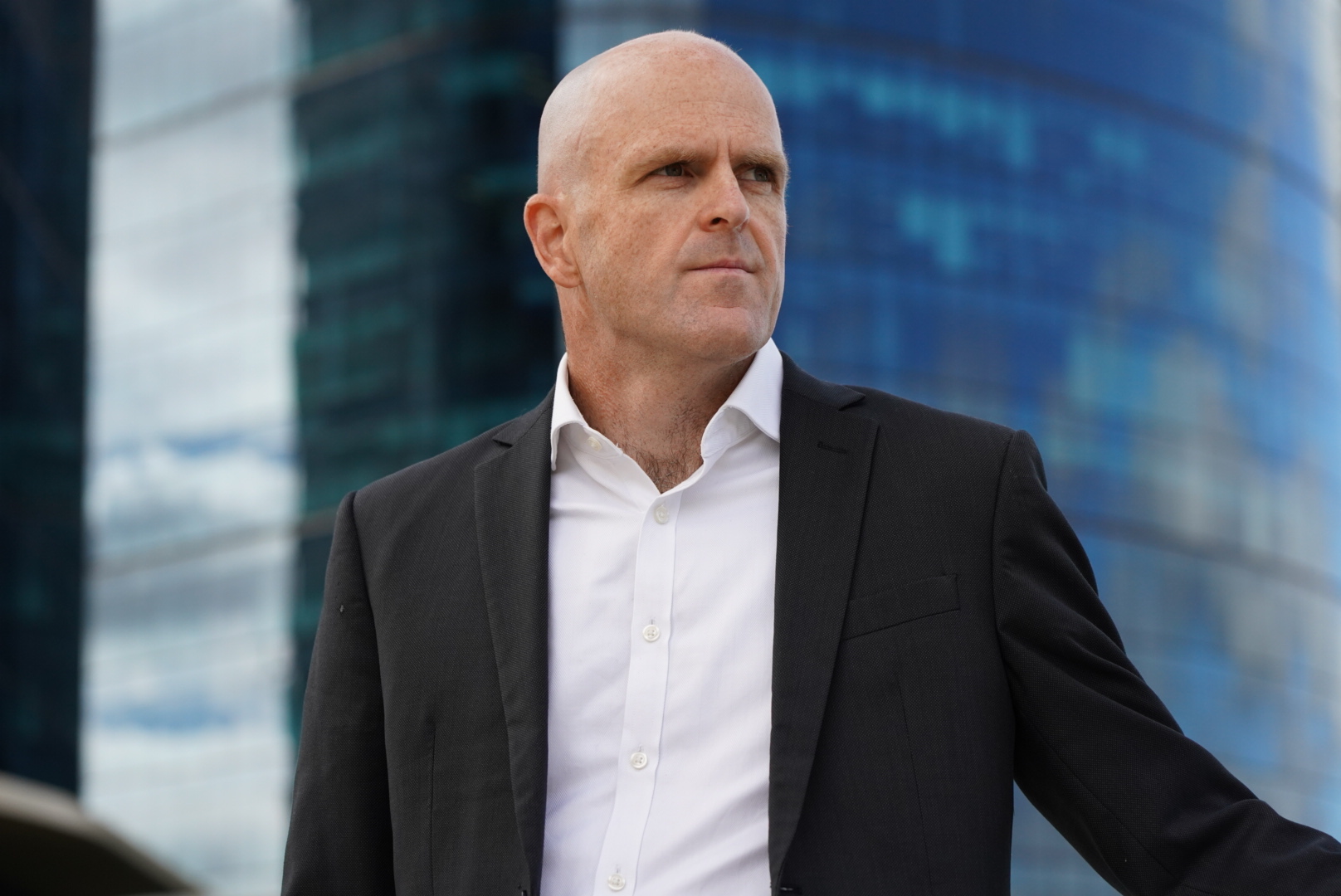
Alex 's Story
Working in the Fossil Fuel Industry
After studying chemical engineering and finance, I started as an operations engineer with BP in 2004. I spent over three years at the Kwinana refinery, including a period doing detailed design with one of BP’s contractors.
Most of my career in oil and gas, however, was with Woodside, where I worked for nine years in engineering, strategy, and climate change roles. Being in head office gave me a close-up view of how corporate decisions were made. In strategy, I learned how business priorities were set. In climate roles, I focused on the energy transition, the challenges fossil fuel companies face, and how quickly clean technologies are reshaping the energy system. I also represented Woodside in industry climate groups and in lobbying the Australian government on climate policy.
There were things I really enjoyed. Woodside had talented people, generous conditions, and yes, prestige. A contractor once said that pride defined Woodside’s culture, and I think he was right. Even those who didn’t like the company were proud to work there. I’ve stayed in touch with my mentor from Woodside—we still have great conversations about corporate decision-making and analysis.
But there were challenges. The biggest was the cognitive dissonance. I loved thinking about the energy transition, but my role limited me to the parts that suited Woodside’s business model. Internally, you couldn’t openly discuss difficult issues, like the fact that most people would rather pay less for renewables than more for LNG, or that public trust in the sector was eroding. Trying to push for change while tiptoeing around these topics never fit my personality or skills.
When I Realised It Was Time to Leave
I left for two main reasons. In 2021, the International Energy Agency made it clear there was no room for new oil or gas projects if we wanted to halt runaway climate change. My earlier goal of decarbonising the gas supply chain suddenly felt insufficient. The world needed less gas, not cleaner gas.
The second reason was the culture at Woodside. As the company realised the existential threat climate change posed, it became more resistant to change. I realised that meaningful impact would be hard to achieve from inside the organisation.
Leaving was also made possible by a shift in my family’s financial situation. Selling a property allowed us to reduce our mortgage, giving me more flexibility. At the same time, an opportunity arose at ACCR that promised a bigger platform for impact.
One odd thing I noticed before leaving was how some senior staff were calibrating their performance to be as “replaceable” as possible, aiming for redundancy packages rather than pursuing ambitious work. With production plateauing and the sector consolidating, it created a strange environment that made leaving feel even more timely.
What are you doing today?
I’m still at ACCR, and the role has changed a lot over the past four years. I love it. The team is talented, bringing diverse skills to shared goals. Working for an organisation that aligns with my values is liberating. I can focus on doing my job well rather than navigating internal politics.
Leaving the sector has also changed how I see it. I used to think I was an independent thinker within oil and gas, but from the outside I’ve realised how narrow my perspective was. For example, I used to see Woodside as a successful, high-return company. Now I know it consistently underperforms the oil and gas sector, which itself generates less shareholder value than most sectors. It’s a big contrast to what I, and many other staff members, once believed.
I have no regrets about leaving. The skills I developed in oil and gas are valuable in my current role, but I’m glad I’m no longer part of the constraints and contradictions of the sector.
Parting Reflections
For a long time, our society needed people to build and operate the energy system we inherited. That work mattered, and many of the people in oil and gas are highly capable and well intentioned. But the world is changing, and the role those industries play is shrinking. Even if the transition doesn’t move fast enough to avoid every serious climate impact, the momentum behind clean technologies like renewables and electric vehicles now feels unstoppable.
One of the biggest practical enablers for me was financial flexibility. Oil and gas offers generous wages, and it’s very easy to build a life that depends on them. Reducing that reliance, even a little, can make it far easier to take risks and consider alternatives that might otherwise feel impossible.
The other thing that matters is skills. Experience in oil and gas can be valuable, but there are far fewer roles outside the sector where it’s directly transferable than many people expect. What travels much better are underlying skills: analysis, problem-solving, communication, strategy, and the ability to work across disciplines. Large organisations can be a good place to develop these through sideways moves, and formal education can help too, but it does require being intentional rather than assuming opportunities will appear on their own.
Finally, there’s the harder, less practical part: being willing to act. Looking back, the biggest regrets I see in others, and sometimes in myself, tend to come from being overly cautious. It’s sensible to make a plan and understand the risks, but it’s also easy to keep refining that plan indefinitely. At some point, you have to decide that the direction matters more than perfect certainty and take the step.