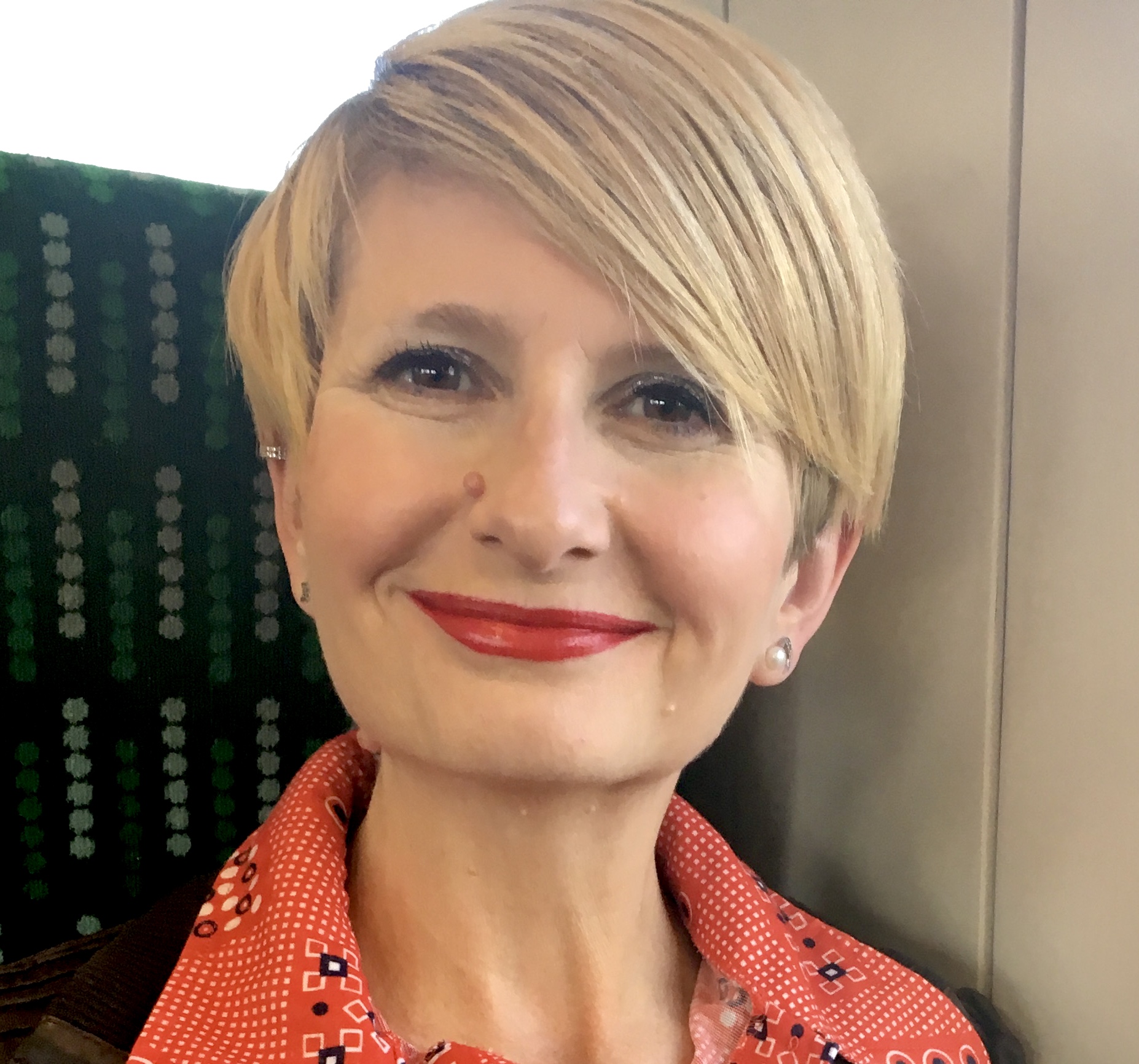
Caroline's Story
Working in the Fossil Fuel Industry
I joined the oil and gas industry because, in the wake of Deepwater Horizon, there was a genuine opportunity to help make work safer for people on the frontline. And as it turned out, I loved my job.
For over a decade, I worked as a safety culture consultant, supporting operational teams around the world. My role centred on listening carefully to workers, understanding what really happened on sites, and translating those realities into messages that management needed to hear, even when those messages were uncomfortable.
Over 11 years, I listened to more than 40,000 frontline workers: technicians, engineers, supervisors and contractors. People trusted me with their frustrations, fears and ideas for improvement. I took that responsibility seriously.
My work was about preventing incidents, reducing risk, giving frontline workers a voice and improving safety outcomes. I believed deeply in that mission. I was committed, invested and proud of the work I did. I cared about people’s lives, their families and the communities living near operations.
For a long time, that sense of purpose was enough to keep me there.
When I Realised It Was Time to Leave
Shell plc was my largest and longest-standing safety culture client. Over time, I noticed a growing disconnect. Climate change was increasingly discussed at corporate level, showcased in glossy reports and presentations. Yet on the operational frontline, I rarely heard meaningful conversations about energy transition or winding down production.
At the same time, the science was becoming impossible to ignore. Extreme weather, ecosystem collapse, displacement and inequality were no longer abstract risks. They were unfolding in real time.
Shell spoke publicly about climate responsibility, net zero and transition, while continuing to expand oil and gas extraction behind the scenes. New projects were approved. Exploration continued. Capital flowed into assets that would lock in emissions for decades and undermine the Paris Agreement.
The final tipping point came through my work connected to Nigeria. As I learned more about Shell’s expansion in the Niger Delta, alongside the legacy of pollution, community harm and worker exploitation, something shifted. I saw clearly how climate change, environmental damage, labour practices and corporate power intersect.
From that point, continuing felt impossible.
When I resigned, I publicly called out Shell’s double-talk on climate change and its failure to treat planetary safety with the same seriousness as operational safety. I knew I was privileged to be able to make that choice. Many people cannot. But staying had become a betrayal of my values.
Leaving was one of the hardest things I have done. What worried me most was not walking away from my biggest client, but leaving operational workers behind. People I respected and who had trusted me.
I expected backlash. Instead, I experienced something else entirely. Messages came from workers, engineers, managers, marketers, activists and strangers around the world. Many said, “I’ve been feeling this too, but didn’t know how to speak up.”
That response confirmed I had articulated something many people were holding quietly.
What I’m Doing Today
Since leaving, my life has become more aligned.
Many of the skills I developed in oil and gas remain central to my work: systems thinking, risk analysis, stakeholder engagement and deep listening. What has changed is the direction those skills now serve.
Through my company, CLOUT LTD, I work with clients whose values align more closely with my own. My research supports organisations contributing to social and environmental solutions rather than harm.
In 2023, I co-founded Infinecity Ltd, focused on developing community-centred clean energy innovations that connect technology with local empowerment and justice.
Since July 2024, I have also co-founded and coordinate Justice 4 Nigeria, an international coalition of Nigerian and European grassroots campaigners, NGOs, legal experts and advocates. Our mission is clear and uncompromising: to hold Shell and its enablers accountable for environmental destruction and human rights abuses in the Niger Delta.
This work connects my past to meaningful repair. My industry experience now helps expose harm, rather than manage its symptoms.
Parting Reflections
I loved my job. But integrity matters. When your values are being compromised, it is probably time for change. Your skills are needed in the transition.
Leaving is not simple. It involves income, identity and family. It takes planning, courage and time. Talking to colleagues you trust can help as I am sure that many may be feeling the same.
Ultimately, listen honestly to yourself and take the leap when you are ready.
For me, life after oil has been more honest, more connected and more purposeful. That has made all the difference.