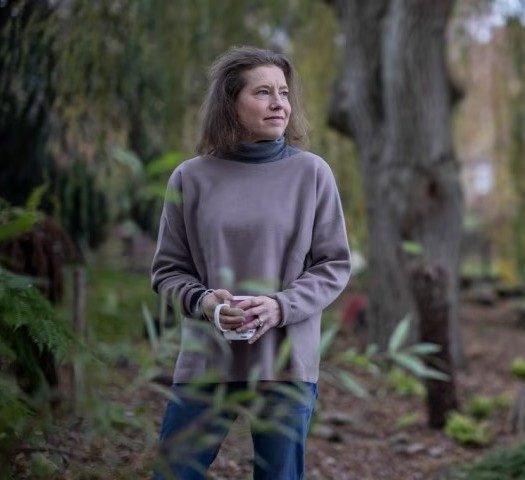
Samantha's Story
Working in the fossil fuel industry
I joined Mobil’s graduate programme in1995 after completing my M.Chem at Oxford, I was drawn to the fast-paced, intellectually demanding environment. The trading floor was fun with a high pace graduate scheme that allowed me to gain experience across a number of roles and have a fast career trajectory. I transferred across to BP after a year due to the downstream JV. This was the spring board to a challenging career based on analytical thinking, building strong relationships and quick judgement.
Over nearly 20 years at BP, I traded across products and regions, ultimately leading the Global Naphtha Feedstock Trading book and serving on the Global Light Ends executive team. I worked globally, balancing commercial performance and risk along with long-term strategy. Highlights included working in a close knit team which supported each other, being very clear and focused on success and also knowing how to make each other laugh. I enjoyed mentoring junior traders, building trusted relationships with third parties, and getting a deep understanding across the petrochemical and oil markets which allowed the book to thrive.
Overall, the industry was intense, high-pressure, and an emotional rollercoaster, but over time the relentless pace and focus on profit no longer aligned with my values. A pivotal moment came when I realised I didn’t feel proud of what I did and I didnt want to get old and realise my life was defined by being an trading oil, doing a job that added no real value. I wasn’t able to make enough time for family and friends. This guided me towards finding people whose work was more socially impactful and value-aligned and ultimately to a place where I felt much more at home.
When I realised it was time to leave
I left BP at the end of 2015 after realising that chasing ever increasing profit targets no longer gave me purpose and had disconnected me from the wider world. Volunteering helped me see how I wanted to spend my time, and events like Macondo sharpened my awareness of the industry’s impacts. I wanted to redirect my energy towards work that had meaning and was of overall benefit to the people & planet.
“I was no longer proud of what I did…thinking we always needed more money and more consumption was like being on a treadmill but never reaching the end ‘goal’.”
Leaving a high-status, well-paid role meant giving up security, identity, and the structure that had defined my life for two decades. I had to disentangle my self-worth from performance metrics and confront uncomfortable questions about what I could do to add true value to those around me and the wider world. Stepping away required letting go of my ego and a system that equated success with financial achievement.
“Take some time to realise what it means to be human, to be in nature, to tread lightly, to slow down and do no harm wherever possible.”
I didn’t have a fixed plan when I left, which brought uncertainty, but I met with many people to explore what was really happening in the world. I was also supported by an interest in mindfulness and Buddhism. Volunteering and engaging with amazing people who were deeply engaged on social and environmental issues helped clarify that I was making the right decisions, that it would take time to work out my path and where I could contribute.
What are you doing today?
I am now a Director of Business Declares a path which allows me to align my work with my values rather than be caught on a treadmill of money making and competition. Working with the other incredible Directors – Ben Tolhurst and Sam Baker- who also donate their time, and have walked away from high level corporate careers, and who see that we need structural, system changes in business to drive change is inspiring. Slowing down and recalibrating my life has also been instrumental in ensuring that my work comes from a positive non-ego driven place, and to ensure that we are collaborating across the ecosystem of fantastic organisations to maximise our chance to effect positive change.
My life today reflects the shift I longed for—less consumption, more time in nature, and work that tries to minimise harm. I feel more grounded, more aligned, and more able to use my agency for impact than I ever did inside the system. I’ve gained a sense of purpose and energy for what I do – motivations that far outweigh what I left behind.
To move away from the industry, you need to understand the science and the urgency. You need to look honestly at your organisation’s true impacts and at whether staying aligns with your values. Don’t cling to money or momentum; be bold, have difficult conversations, and remember that meaning and fulfilment often grow once you step beyond the industry. What is the best thing you can do for your children, nieces, nephews and loved ones? It is a bigger risk staying with business as usual than it is to start getting us back within the critical planetary boundaries.
Parting reflections
I look back on my career path with respect for the discipline and clarity it taught me and I must be sensitive to the fact that I do the volunteering work I do now because I earned money in that industry. Leaving it helped me see what lies beyond targets and performance, and the importance of choosing work that stretches and fulfils you.
“I felt this complete disconnect from my life, a grief – once I realized that my core values and beliefs were so far from what I was doing.”
My advice to people looking to move is that your sense of “enough” will change quickly, the importance of status and income will dissipate. Life expands fast when you stop defining yourself by a job title, and the work I moved into became far more stimulating than I expected.
When you move away from the industry expect voices around you to urge you to stay but keep walking if your instincts say otherwise. The uncertainty is real, but so is the reward: a clearer sense of purpose, richer experiences, and a wider, more meaningful world than one defined by profit targets.